What to look for as a warning sign
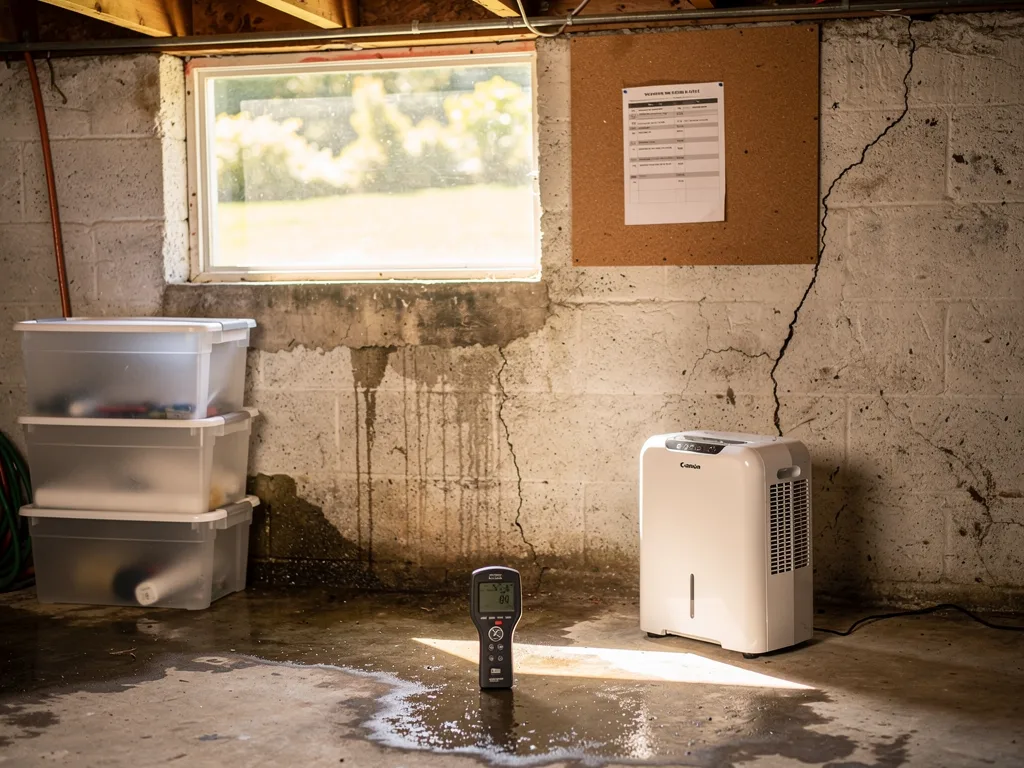
In Nashville, the first clues often hide in places you don’t expect. Small puddles after rain, a musty odor in a basement, or fresh, damp patches on drywall can indicate water intrusion. Pay attention to paint bubbles, wallpaper peeling near windows, and wood that feels soft or sagging shelves. These aren’t just cosmetic issues; they can point to ongoing moisture that a restoration specialist would evaluate.
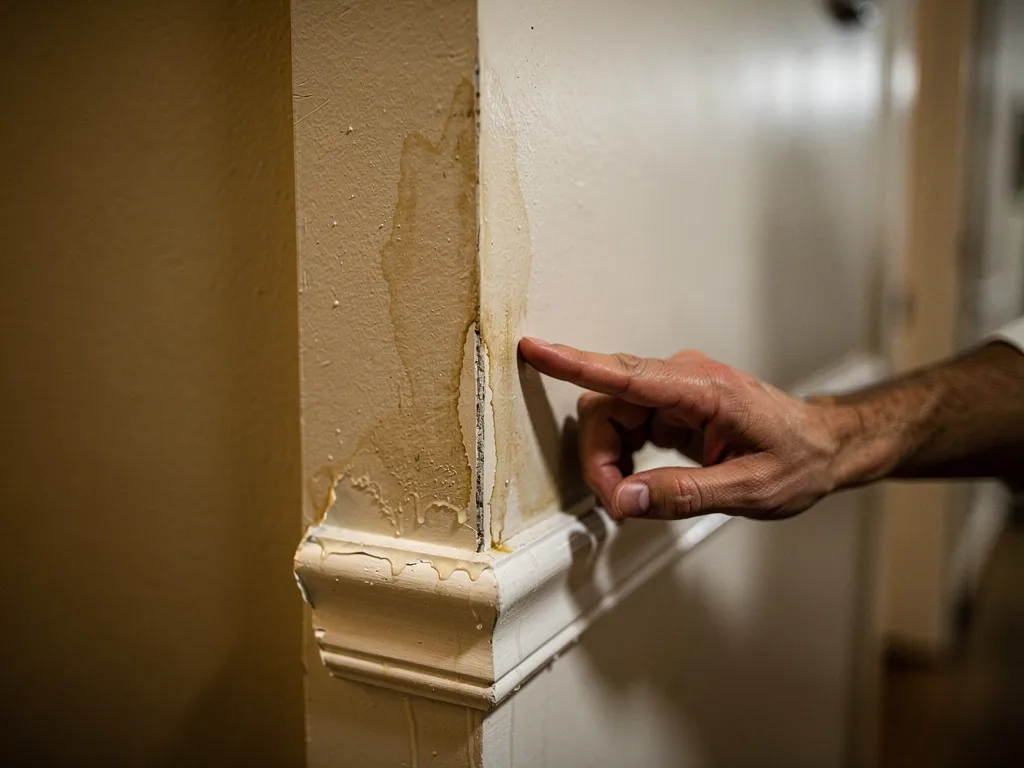
Another telltale sign sits behind walls. If you notice metallic or white mineral staining along baseboards, that can mean moisture movement through a wall cavity. A persistent damp feeling in a room, especially after a rainstorm or heavy humidity, is a sign to call for an evaluation. Our crew has seen these indicators turn into bigger problems when left untreated.
Local homes in Nashville commonly contend with high humidity, seasonal storms, and aging infrastructure. Understanding these conditions helps you act quickly. If any warning signs appear, it’s wise to bring in a restoration specialist to assess the extent of moisture and map out a plan.
What the first steps look like
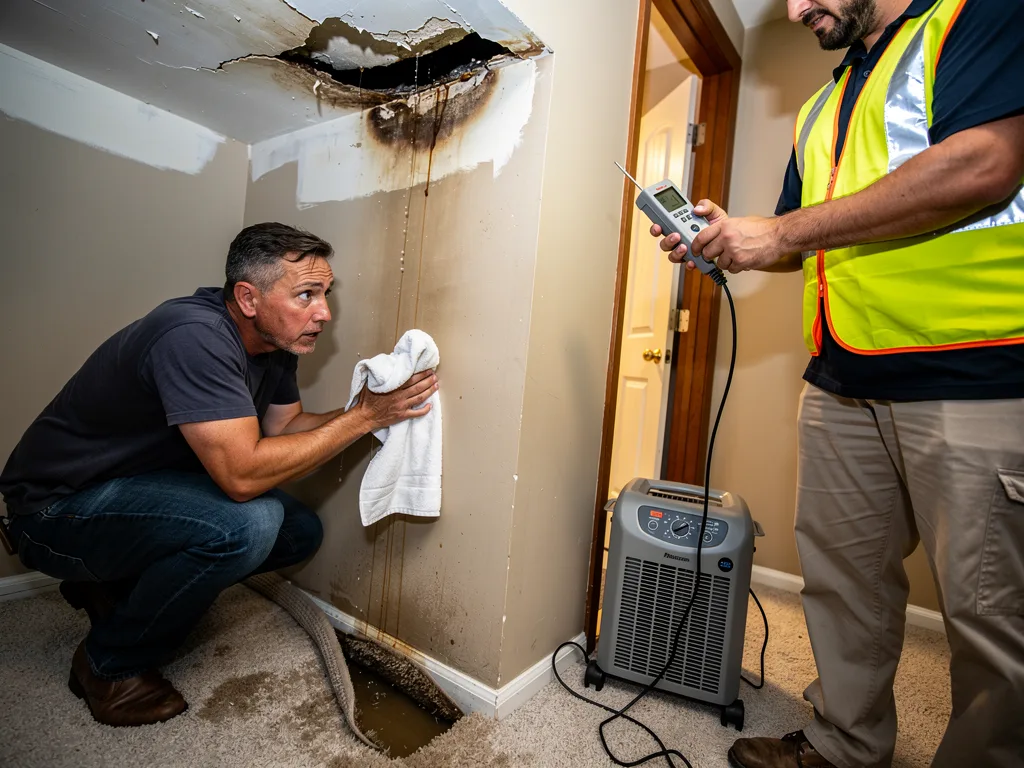
When you contact Nashville Water Damage Pros, we start with a thorough assessment. A restoration specialist will inspect potentially affected areas, measure moisture levels, and look for sources of intrusion. We avoid guesswork and document findings so you know exactly what’s happening and what needs attention.
From there, our crew will outline a practical plan. This includes containment to prevent spread, identification of the moisture source, and safe removal of any compromised materials. We’ll keep you informed about what to expect and how the work progresses in your Nashville home.
Why timely action matters
Delays can turn a small moisture issue into a bigger repair. In Nashville, even a minor leak can lead to mold growth or wood damage if left unchecked. Addressing warning signs promptly helps limit disruption and cost. Our restoration specialist teams are trained to prioritize safety and efficiency, so you can get back to normal as soon as possible.
Keep an eye on seasonal changes as well. Humidity tends to spike in late summer and early fall, which can aggravate hidden moisture. If you notice persistent dampness after those periods, schedule an assessment. A quick checkup can save time and trouble down the road.
- Check for musty odors in basements and crawl spaces after rain events.
- Inspect baseboards and drywall for soft spots or staining.
- Monitor moisture readings in problem areas and document changes.